
May 15, 2011 | blog, insects, maintenance, native plants, winter
I do a controlled or prescribed burn (what Native Americans called the Red Buffalo) on sections of my native prairie gardens because there are many benefits. It warms up the soil earlier, adds organic matter, reduces some weeds, and stimulates prairie seeds to sprout. It also takes less time than cutting everything back and and reduces the size of my compost pile.
Apr 6, 2011 | biodiversity, blog, environment, insects, maintenance, native plants, spring, winter
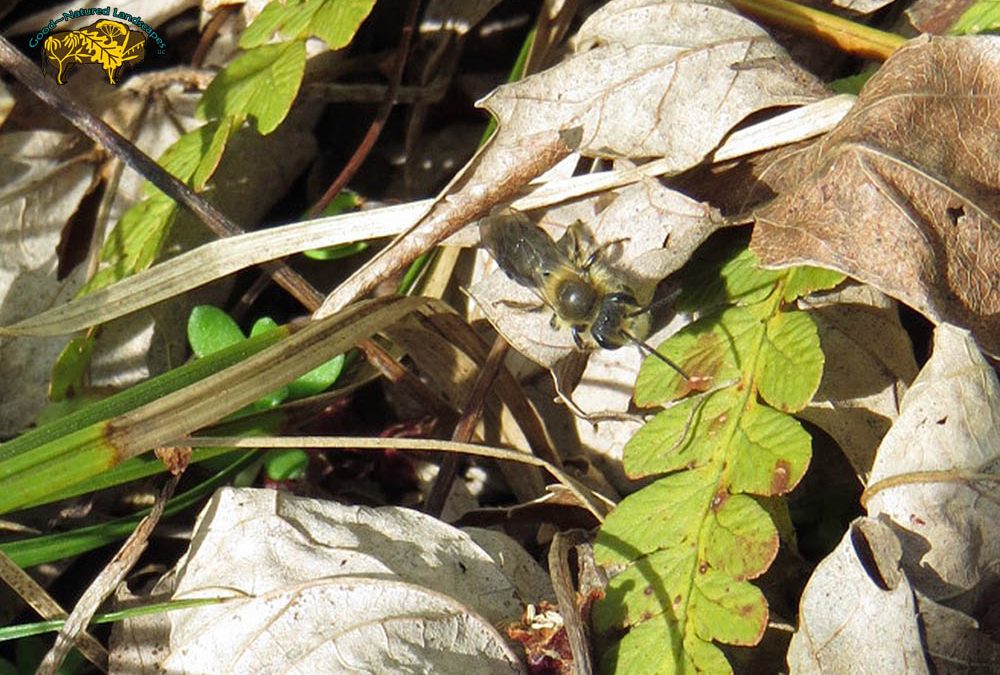
Just think about what happens in the natural world each spring before starting your spring cleanup.

Jan 2, 2011 | biodiversity, blog, environment, insects, maintenance, native plants
You’ve probably heard about the terrible news concerning the honeybee but native bees, especially our Bumble Bees are in serious decline too! Research has shown that native or “wild” bees are important pollinators of natural areas, gardens and agricultural crops, and need our protection. Here are a few ways to give our little known native bees a chance.

Jul 27, 2010 | biodiversity, blog, environment, insects, summer
During July, I notice gardens, roadside ditches and wetlands with the invasive, non-native Purple Loosestrife (Lythrum salicaria). This non-native plant destroys our wetlands by choking out native species and in turn, wildlife habitat. It also costs millions of dollars to eradicate from our natural areas once it spreads.

Jun 21, 2010 | biodiversity, blog, environment, fall, home, insects, maintenance, spring, summer, winter
Many folks understand the importance of protecting and supporting nature in our yards. Snags, brush & rock piles, are features sometimes overlooked, but can easily be incorporated into our yards to benefit wildlife.

Apr 22, 2010 | biodiversity, blog, environment, insects, maintenance, native plants, spring, summer
My husband and I maintain all areas of our landscape organically, especially our lawn, because we believe it is an environmentally responsible and safer choice. Now we have a few weeds in our lawn, but we learned many are beneficial to wildlife.
